Table of Contents
- Ebola treatment center in Congo reopens after attack, but without ...
- All About the Ebola Virus
- Using Genomics to Follow the Path of Ebola | NIH Director's Blog
- Ebolavirus - Wikipedia, la enciclopedia libre
- DoD Medical Countermeasures Find Use in Ebola Outbreak > U.S ...
- 7 facts you should know about the Ebola outbreak - Vox
- WHO Declares Ebola a Global Public Health Emergency
- What is Ebola? - RNpedia
- Ebola crisis: WHO slammed over poor response - CNN
- Breakthrough in rapid, mass screening for the Ebola virus

What is Ebola?

/ebola_virus-56a09ae55f9b58eba4b20276.jpg)
Symptoms of Ebola
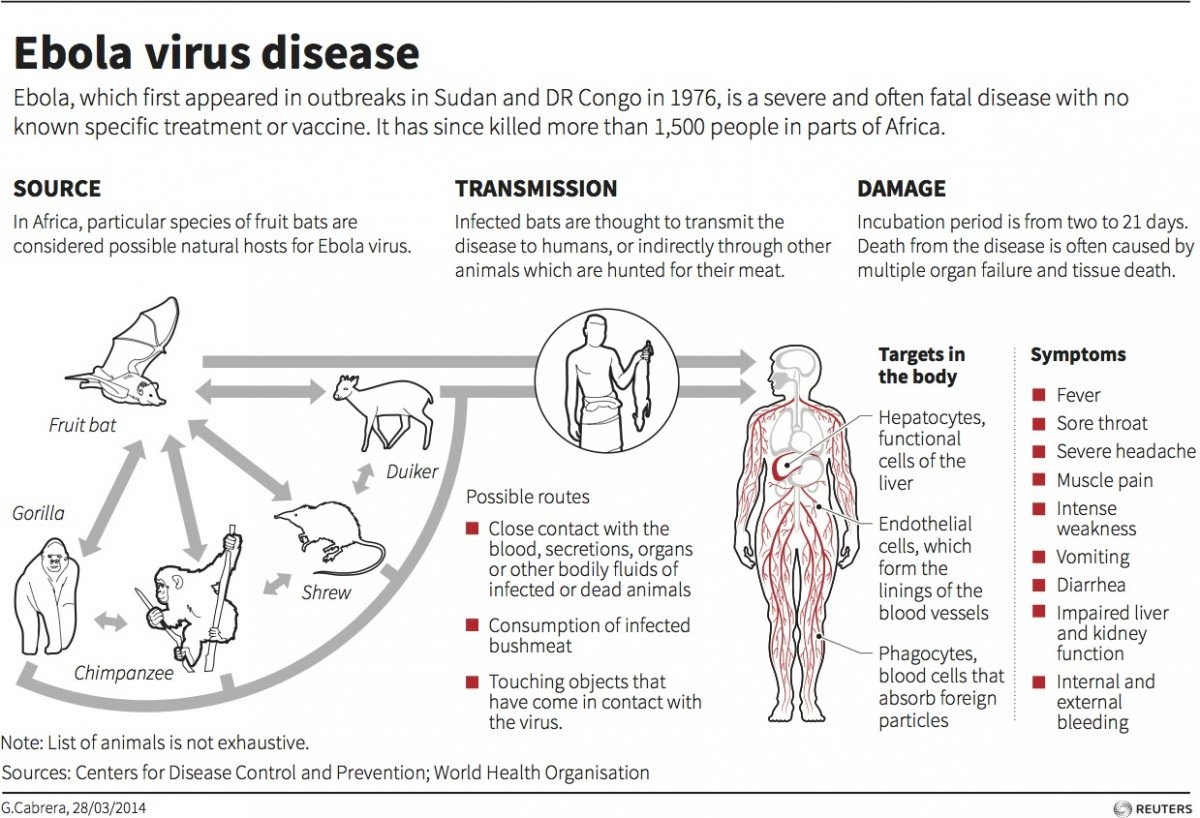
The symptoms of Ebola can vary, but they often begin with sudden onset of fever, fatigue, muscle pain, and headache. As the disease progresses, patients may experience vomiting, diarrhea, abdominal pain, and bleeding or bruising. Johns Hopkins Medicine emphasizes that early recognition of these symptoms is crucial for prompt medical attention and treatment.
Transmission of Ebola
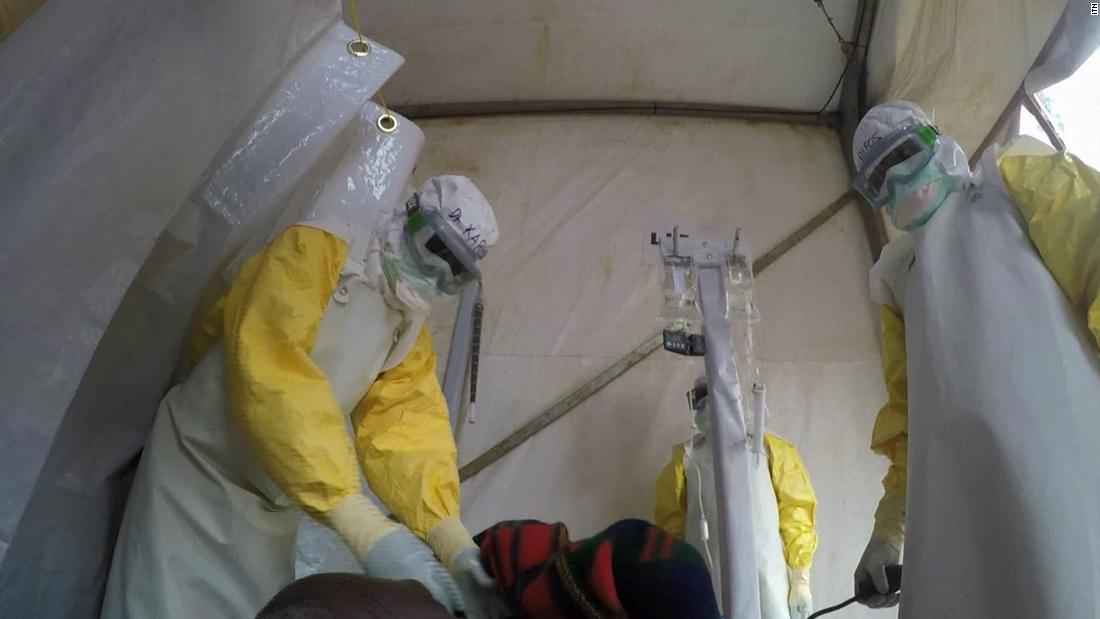
Ebola is primarily spread through direct contact with infected bodily fluids, such as blood, sweat, and saliva. This can occur through: Touching infected patients or their bodily fluids Contact with contaminated medical equipment or surfaces Handling or preparing infected animals for consumption Johns Hopkins Medicine stresses the importance of proper infection control measures, including wearing personal protective equipment (PPE) and following strict hygiene protocols, to prevent the spread of Ebola.
Treatment and Prevention
While there is no specific cure for Ebola, treatment focuses on supportive care, such as: Fluid replacement Oxygen therapy Management of symptoms Prevention of complications Johns Hopkins Medicine has been involved in the development and testing of experimental treatments, including ZMapp and brincidofovir. These treatments have shown promising results in reducing mortality rates and improving patient outcomes.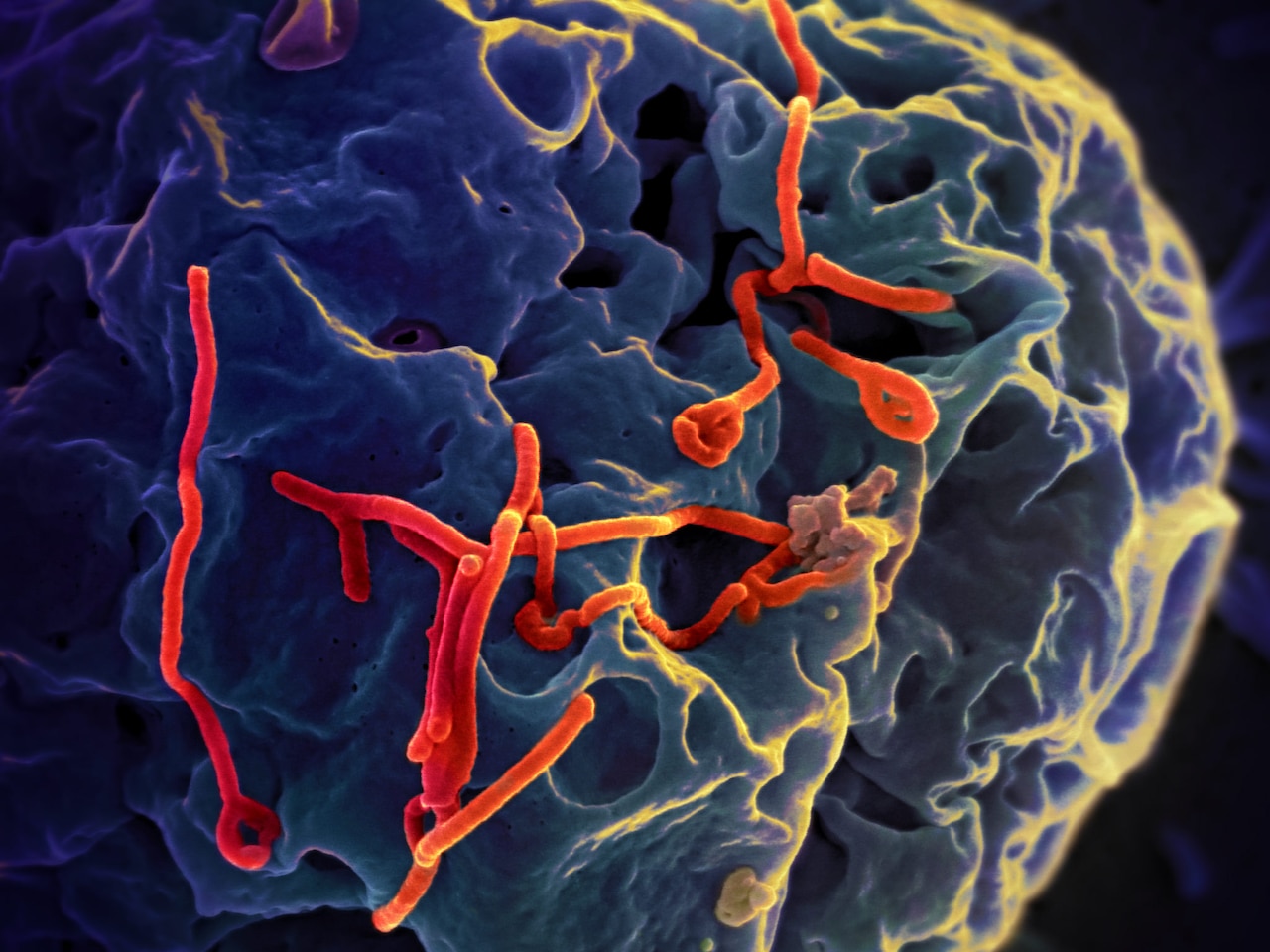
Prevention Measures
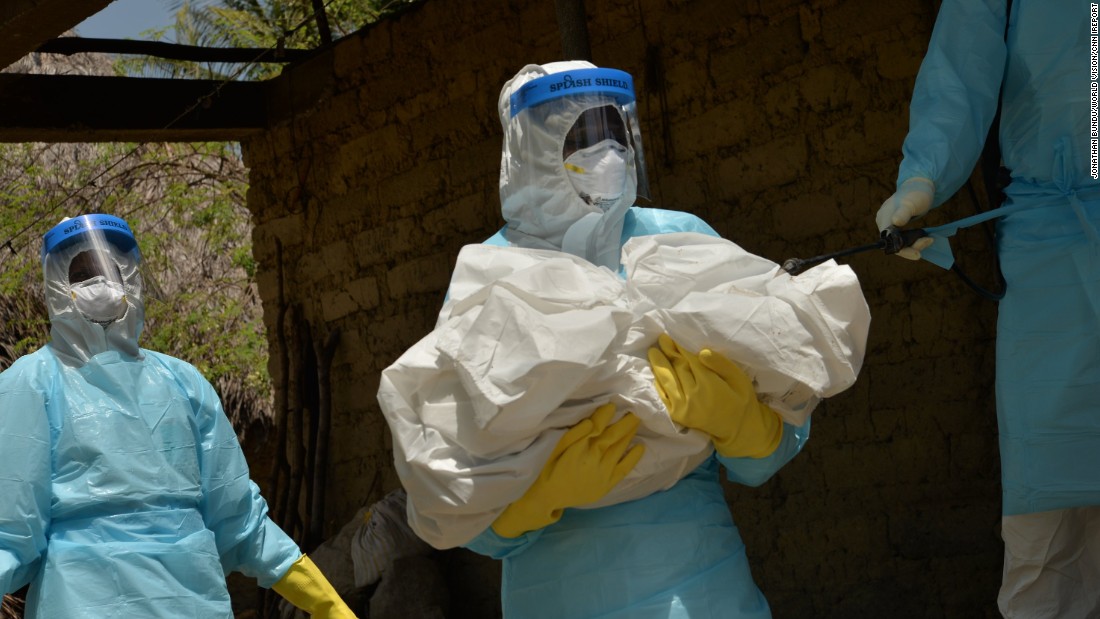
Prevention is key to controlling the spread of Ebola. Johns Hopkins Medicine recommends: Practicing good hygiene, including frequent handwashing Avoiding close contact with infected individuals Wearing PPE when interacting with patients or handling contaminated materials Following safe burial practices for deceased patients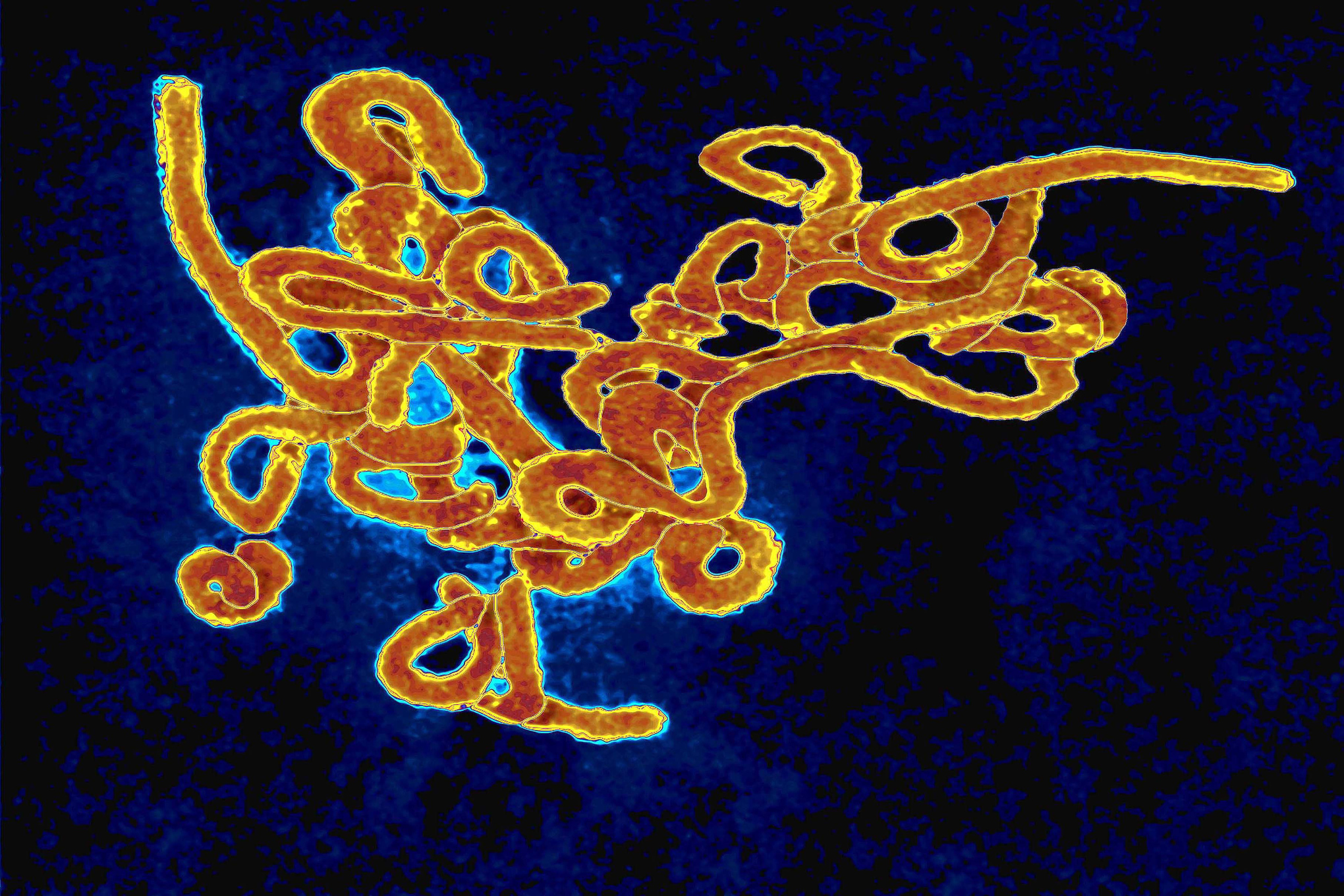
Johns Hopkins Medicine's Response to Ebola
Johns Hopkins Medicine has been actively involved in the global response to Ebola, providing expertise, resources, and personnel to affected regions. The institution has: Developed and implemented infection control protocols for healthcare workers Provided training and education for healthcare professionals Conducted research on Ebola transmission, treatment, and prevention In conclusion, Ebola is a complex and deadly disease that requires prompt attention and treatment. Johns Hopkins Medicine has been at the forefront of Ebola research, treatment, and prevention, providing valuable insights and expertise to the global community. By understanding the causes, symptoms, transmission, and treatment options for Ebola, we can work together to prevent and control outbreaks, ultimately saving lives.For more information on Ebola and Johns Hopkins Medicine's response, visit https://www.hopkinsmedicine.org/.
Note: This article is for informational purposes only and is not intended to provide medical advice. If you suspect you have been exposed to Ebola or are experiencing symptoms, please seek immediate medical attention.